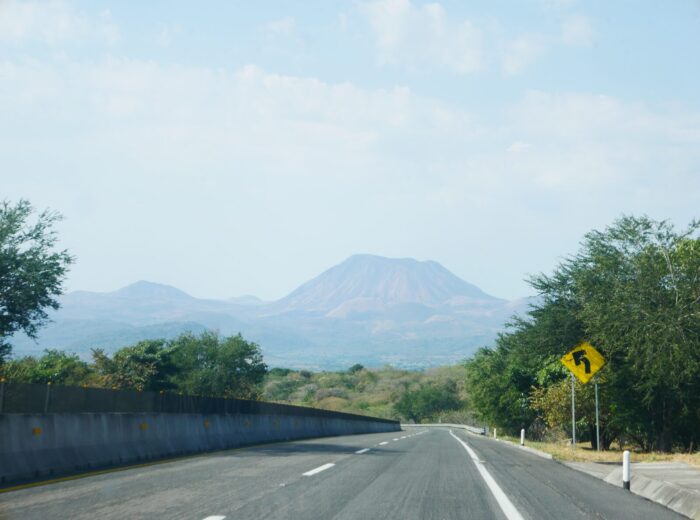
There is a Nayarit that doesn’t advertise itself on billboards. You find it slowly, in the scent of freshly tanned leather, the sweet smoke of a hand-rolled cigar and the sound of water hitting rock somewhere up in the mountains. That Nayarit is called Compostela, and this two-day route is an invitation to explore it at an easy pace: the town and its crafts first, then the sierra with its coffee farms and a hidden waterfall.
Compostela became the capital of Nueva Galicia in 1540 and today holds Pueblo Mágico status. It sits a little over half an hour from Tepic on the toll road and under two hours from Puerto Vallarta, which makes it the ideal stop between the state capital and the coast. The itinerary below mixes plaza, workshops, food and nature, and closes with a distance table and tips so you can repeat it without any fuss.
The point is not to tick boxes but to let the place set the rhythm. In Compostela, luxury means the essentials: a slow breakfast, a chat with an artisan, a candlelit night and a cold swim after a hike.
Day 1: The Plaza, the Parish Church and the Leather Trade
Start in the main plaza, a shady square where daily life moves at a contagious calm. Facing it stands the Parroquia de Santiago Apóstol, with its quarry-stone façade and a history that goes back to the 16th century, when it was conceived as the cathedral of Nueva Galicia. Inside is the image of the Señor de la Misericordia, the town’s patron. Take a seat on a bench for a few minutes and watch: fruit vendors, families leaving Mass and bicycles coming and going.
A few blocks away, the smell of leather leads you to the talabarterías along the main avenue. There are more than a dozen, and in several of them, such as Talabartería Ibarría, the craft has passed from grandparents to grandchildren. You’ll see huaraches, belts, sheaths and saddles being cut, stitched and riveted by hand. It’s the right place to buy a handmade souvenir and ask about the story behind each piece.
What to Eat in Compostela
- Huevos divorciados, fried eggs with red and green salsa, refried beans and handmade tortillas, at any fonda near the plaza.
- Walnut-and-strawberry raspado at Raspados El Manantial, a shaved-ice stand across from the plaza with decades of history, made with artisanal syrups and spring water.
- Beef birria at midday in a family-run eatery, served with onion, lime and fresh tortillas.
The Art of Rolling a Cigar
Compostela keeps a tobacco tradition that few visitors expect. In unassuming workshops, master cigar makers select the leaf, strip the veins, moisten it and roll it by hand until the draw is just right. Each cigar takes minutes of concentration and years of practice. Ask politely and most will let you watch and explain the difference between wrapper, binder and filler. It’s a craft that smells of damp earth and patience, and a must before leaving town for the mountains.
If stories like these appeal to you, the guide to Nayarit’s cuisine will help you recognize the flavors you’ll meet along the way.
A Night in Mazatán: Cabins, Candles and Stars
In the afternoon, the road climbs about 20 kilometers to Mazatán, a mountain community where the air turns cooler and smells of pine and wet soil. This is where you’ll find Cabañas Mis Amores, a rustic lodge surrounded by forest where, once the sun goes down, electric light gives way to candles. Dinner is served on an open terrace: charcoal-grilled cuts, fresh salads and, as the only show, a sky so full of stars it seems within reach. Being unplugged here isn’t a shortcoming; it’s the gift of the place.
Tip: book ahead, especially on long weekends and holidays, and bring a headlamp. Candles set the mood, but an extra light is always practical.
Day 2: The Coffee Route in the Cumbres de Huicicila
At dawn, the route continues to the Cumbres de Huicicila, the heart of Compostela’s Coffee Route. The road winds through coffee plantations grown under the shade of tall trees, the traditional system that gives this region’s beans their character. At the family-run mills you’ll learn the whole cycle: the ripe cherry, pulping, sun drying and small-batch roasting. The visit ends with a tasting of intense, aromatic high-altitude coffee poured by the very families who grow it.
Take home a kilo of freshly roasted beans; it’s the best souvenir from the sierra and a direct way to support the growers.
The Mazatán Waterfall
Back through Mazatán, a short hike leads to the waterfall of the same name. You hear the roar before you see it. The descent to the pool is exciting and, for those after more adrenaline, rappelling descents alongside the falls are organized in season. The reward is a dip in clear, cold water surrounded by greenery. Bring shoes you don’t mind getting wet and a bag for your trash; the site stays clean thanks to mindful visitors. If landscapes like this win you over, waterfalls and hot springs in Nayarit lists more spots like it.
Itinerary at a Glance
| When | Activity | Where |
|---|---|---|
| Day 1, morning | Plaza, Parroquia de Santiago Apóstol, leather workshops | Downtown Compostela |
| Day 1, midday | Huevos divorciados, birria and walnut-strawberry raspado | Fondas and Raspados El Manantial |
| Day 1, afternoon | Hand-rolled cigar workshop | Downtown Compostela |
| Day 1, night | Grilled dinner and stargazing | Cabins in Mazatán |
| Day 2, morning | Coffee Route: plantations, mill and tasting | Cumbres de Huicicila |
| Day 2, afternoon | Hike and swim at the waterfall | Mazatán |
Practical Info
Getting There
- From Tepic: about 37 km (23 miles) on toll road 15D or federal highway 200; 35 to 45 minutes by car.
- From Puerto Vallarta and Bahía de Banderas: around 100 km (62 miles) on highway 200; 1.5 to 2 hours.
- From Guadalajara: roughly 250 km (155 miles) on the toll road; about 3 hours.
- Public transport: buses run often between Tepic and Compostela, but service to Mazatán and Huicicila is scarce. A rental or your own car is the practical option.
Best Time to Visit
November through April is dry, and nights in the sierra are cool, perfect for the cabins. The Mazatán waterfall carries the most water right after the rains, from September to November. Coffee harvest runs from December to March, the best season to see the mills in full swing. Check the best time to visit Nayarit guide for more detail.
What to Pack
- Comfortable, water-resistant footwear for the waterfall and the coffee farms.
- A light jacket: nights in Mazatán and Huicicila are several degrees cooler than in town.
- A rechargeable headlamp and insect repellent.
- Enough cash: there are ATMs in town, but the villages and workshops run on cash.
- Swimsuit and a quick-dry towel.
Compostela doesn’t overwhelm the senses; it wins them over with authenticity. It’s the taste of a raspado, the smell of leather and tobacco, the sound of a waterfall and a sky free of light pollution. If you’re after a real break close to the capital, this is it.
Frequently asked questions
How many days do you need in Compostela?
Two days are enough to see the historic center, visit the leather and cigar workshops, sleep in Mazatán and do the Coffee Route with a stop at the waterfall. With a single day you can cover the town plus one of the two mountain experiences.
Can you do the Coffee Route on your own?
Yes, with your own car. The Cumbres de Huicicila are about 30 km from downtown along a mountain road. It’s best to contact the family mills in advance so they can receive you and set up a tasting.
Is the Mazatán waterfall suitable for children?
The trail is short but has steep sections and wet rocks. Kids who are used to hiking enjoy it; younger ones need a hand to hold and shoes with good grip.
Which other Pueblo Mágico is close to Compostela?
Jala, at the foot of the Ceboruco volcano, and Ixtlán del Río, with its archaeological site, are just over an hour away. See the complete guide to Nayarit’s Pueblos Mágicos to combine them.
Area map
- 1Compostela Magical Town; Santiago Apóstol parish and leather workshops.21.2375, -104.8994 · Open in Google Maps
- 2Mazatán Mountain community of Compostela with cabins and a waterfall.21.14728, -104.94798 · Open in Google Maps
- 3Cumbres de Huicicila Coffee-growing area in the Compostela highlands.21.31661, -105.0141 · Open in Google Maps